Two Visions One Opportunity
By: J.R. Casarez
RAF and CLAW are building different models for professional wrestling and creating new pathways for the next generation
Detroit, MI. For generations, wrestling has been one of America’s most successful amateur sports without a sustainable professional industry to match.
The United States consistently produces Olympic medalists, World champions, NCAA champions and athletes capable of succeeding throughout the combat-sports world. Yet when their college eligibility expires, most wrestlers still face a narrow set of choices: pursue an international team, become a coach, transition to mixed martial arts or end their competitive careers.
Real American Freestyle and the Champions League of American Wrestling are working to change that.
The two organizations should not be viewed simply as competitors fighting for the same limited wrestling audience. They represent two distinct visions for the sport’s professional future and evidence that wrestling may finally have enough momentum to support more than one model.
RAF is building around stars, major matchups and event-driven promotion.
CLAW is building around teams, franchises, regional identity and season-long loyalty.
RAF is asking fans: Who do you want to see wrestle?
CLAW is asking: Which team is yours?
Wrestling may need both answers.
RAF Is Building Wrestling Around the Main Event
Real American Freestyle has attacked one of wrestling’s longest-standing challenges: presentation.
Wrestling has never lacked elite athletes. It has often lacked the promotion, storytelling and production needed to make the general public understand why those athletes and their matchups, matter.
RAF has embraced a WWE/UFC combat-sports model centered on recognizable personalities, championship matches and crossover appeal. Its events have featured decorated wrestlers alongside athletes known throughout MMA and the broader combat-sports world, including Bo Nickal, Kyle Dake, Henry Cejudo, and Khamzat Chimaev.
The promotion’s expanding schedule demonstrates its intention to operate as more than an occasional exhibition. RAF held its inaugural event in August 2025 and developed a multi-city calendar during 2026, taking its product into markets across the country and internationally. FloWrestling’s published RAF schedule documented that rapid expansion.
RAF’s strategy is familiar to boxing and MMA audiences: establish recognizable stars, create meaningful rivalries, promote consequential matchups and make each event feel important.
That approach gives wrestling something it has frequently struggled to produce outside the Olympic Games and NCAA Championships a reason for casual viewers to become emotionally invested in one specific match.
The model is built around a straightforward question:
Who do people want to see compete under the lights?
If RAF can consistently provide compelling answers, it can introduce legitimate wrestling to audiences that already understand combat sports but may not regularly follow high school, college or international competition.
CLAW Is Building a Professional Team Sport
The Champions League of American Wrestling is approaching the same opportunity from another direction.
Rather than building primarily around individual superstars and standalone cards, CLAW is attempting to package wrestling like a traditional professional sports league.
Its structure emphasizes teams, dual meets, franchises and collective scoring. Under CLAW’s published rules, teams compete with seven wrestlers, and every point scored contributes to the team total. Matches are divided into four short rounds, while quick-score bonuses, aggressive stalling enforcement and other modifications are designed to increase action and give spectators a reason to remain engaged throughout the competition.
CLAW describes its rules as a blend of folkstyle and freestyle elements designed to create more action, scoring and strategy while preserving legitimate wrestling.
That structure creates a different kind of connection.
Individual stars can attract viewers. Teams can turn those viewers into long-term supporters.
A wrestler’s competitive career is finite. A team can continue through new athletes, coaches, general managers and generations of fans. Regional franchises can develop rivalries that remain meaningful even as individual rosters change.
That is the foundation behind America’s largest professional sports leagues. Fans do not stop supporting the Lions, Browns, Steelers or Red Wings when a favorite athlete retires. Their loyalty belongs to the team, the city and the identity surrounding it.
CLAW’s opportunity is to bring that same emotional structure to wrestling.
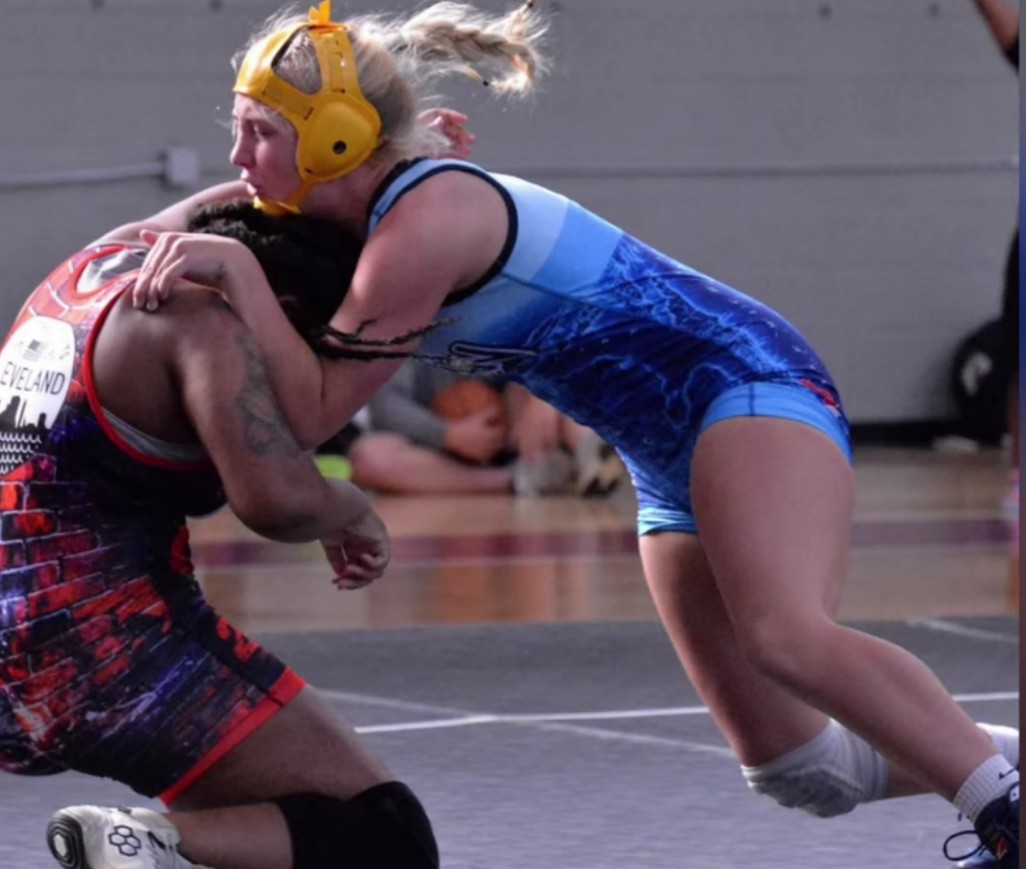
A Detroit supporter should be able to circle a matchup with Cleveland. A Philadelphia team should be able to develop history with New York. Young wrestlers should be able to wear the colors of a professional wrestling team connected to their community.
Wrestling has always possessed strong local and regional identities. CLAW is attempting to organize that energy into a professional league product.
Different Models Can Reach Different Fans
The question surrounding RAF and CLAW should not be which organization must eliminate the other.
The more important question is whether each can reach an audience the sport has historically failed to serve.
RAF may connect most naturally with UFC, boxing and combat-sports fans. Its star-centered structure makes individual matchups easy to promote, while recognizable crossover athletes can introduce wrestling to people who might never purchase a ticket to a traditional tournament.
CLAW may appeal more directly to fans accustomed to following teams, standings, seasons and regional rivalries. Its dual-meet structure can make wrestling feel familiar to audiences raised on the NFL, NBA, NHL and Major League Baseball.
Those audiences will overlap, but they do not have to be identical.
A fan might follow a hometown CLAW team throughout its season and still purchase an RAF event to watch a major individual matchup. The same person can support a professional franchise and follow a favorite athlete’s career.
American sports consumers already do this.
A basketball fan can follow an NBA team, watch the Olympics and attend a summer exhibition. A combat-sports fan can watch UFC, boxing and grappling without believing only one can exist. Soccer supporters follow domestic clubs, international tournaments and individual stars across multiple competitions.
Wrestling should be capable of supporting a similarly layered marketplace.
The Sport Needs Careers Not Just Competitions
The growth of RAF and CLAW addresses a larger problem: wrestling has developed an extraordinary athlete pipeline without building enough professional destinations at the end of it.
Youth clubs, high schools, colleges and USA Wrestling invest years in developing elite competitors. Those athletes build recognizable names and passionate followings, particularly during the NCAA postseason. Then, for many of them, the public-facing portion of their careers abruptly ends.
A legitimate professional wrestling industry could create more than matches.
It could create contracts, sponsorships, merchandise, clinics, media appearances, coaching opportunities, front-office positions and eventually ownership pathways. It could allow wrestlers to continue competing while building personal brands and contributing to the sport’s growth.
RAF and CLAW do not need to offer identical career paths.
An athlete could compete for a CLAW franchise during a league season and later appear in a major RAF matchup. Another could become the long-term centerpiece of a team whose value comes from regional support and franchise success. A highly recognizable champion could headline individual events capable of attracting viewers beyond the traditional wrestling community.
The professional pathway does not have to be one straight line.
It needs to become a real pathway.
RAF Next Gen Brings Young Wrestlers to the Main Stage
RAF has extended its professional-event model into youth wrestling through RAF Next Gen.
The national tournament series allows young wrestlers to compete during RAF event weekends, earn ranking points and pursue opportunities to qualify for championship competition connected directly to the professional stage.
According to RAF’s official Next Gen platform, the series includes age-group competition, national rankings and qualifying events leading toward main-stage championship opportunities.
The concept provides young athletes with more than another bracket. It places them inside the environment of a professional wrestling event.
They compete during the same weekends. They experience the production, energy and presentation surrounding professional athletes. Top performers can earn opportunities to compete under brighter lights and in front of larger audiences.
RAF Next Gen creates a clear competitive message:
Compete. Improve. Earn your position. Reach the main stage.
That is a valuable pathway for young wrestlers who want to imagine themselves eventually competing as professionals.
CLAW Is Inviting Youth Inside the League
CLAW’s youth strategy is fundamentally different.
Youth tournaments are becoming part of CLAW’s expanding national footprint, but the organization is not simply adding another tournament or ranking series to an already crowded wrestling calendar.
Its larger youth vision introduces young people to the complete structure of a professional sports league, not only the matches taking place on the mat.
Through a partnership with Beat the Streets Detroit, CLAW has launched what the organizations describe as a first-of-its-kind youth general manager initiative. The partnership gives young participants opportunities to experience team building, branding, promotion, event operations, community engagement and other responsibilities normally handled behind the scenes.
The goal is to show young people that their future in wrestling does not have to be limited to becoming an athlete.
A participant can begin learning how rosters are constructed, how a franchise develops its identity, how events are marketed and how a professional organization builds relationships with its community.
Young people can begin imagining themselves as general managers, executives, coaches, broadcasters, content creators, event producers, marketers and franchise owners.
That makes the Beat the Streets Detroit partnership especially significant.
Its young people are not being invited merely to attend a professional event, compete in an undercard tournament or take a photograph with a professional wrestler. They are being brought inside the league and trusted to understand, influence and help build the product.
CLAW’s youth tournaments can serve as entry points into that larger ecosystem. The wrestling brings athletes and families through the door, but the experience does not have to end when the final whistle blows.
That is the difference between hosting youth competition and developing a youth professional-sports pipeline.
RAF Next Gen asks young wrestlers to earn their opportunity on the main stage.
CLAW asks young people to help build the team, the event and the league surrounding that stage.
One creates a direct competitive pathway.
The other creates pathways into leadership, sports management, media, marketing, entrepreneurship and ownership—while still providing meaningful opportunities to compete.
Professional wrestling will need both athletes and builders. RAF and CLAW are demonstrating how the next generation can become both.
Women’s Wrestling Expands the Opportunity
The rapid growth of girls and women’s wrestling makes the timing even more significant.
Girls are entering the sport in record numbers. High schools are adding teams, colleges are expanding opportunities and young athletes can increasingly envision a pathway through youth, scholastic, collegiate and international competition.
The professional level remains the missing step.
RAF’s event-driven model can elevate elite women as recognizable individual stars and place important women’s matches in front of broader combat-sports audiences.
CLAW’s team structure can create roster positions, regional representatives and season-long opportunities for women to become central figures within professional franchises.
CLAW’s youth general manager concept can also expose girls to careers throughout the sports industry—not just positions on a wrestling roster.
A successful professional industry would give young girls something wrestling has rarely been able to offer: the ability to watch women continue competing, leading and earning after college.
That would not simply benefit women’s wrestling.
It would expand the entire wrestling economy.
Competition Can Grow the Market
RAF and CLAW will inevitably compete for athletes, audiences, sponsors, media partners and attention.
That is not necessarily a weakness.
Competition can force both organizations to improve their broadcasts, live experiences, athlete compensation, storytelling and fan engagement. It can also reveal which ideas connect with the public and which need to evolve.
The danger is not that wrestling has two serious professional models.
The greater danger would be returning to a system in which elite wrestlers have almost nowhere to compete professionally and fans have almost nothing consistent to follow after the college and international seasons.
RAF succeeding would demonstrate that individual wrestling stars and major matchups can attract a paying audience.
CLAW succeeding would demonstrate that team identity, regional loyalty, league competition and community integration can give wrestling a sustainable year-round structure.
Those ideas are not mutually exclusive.
Together, they could become complementary parts of a larger industry.
Wrestling Is No Longer Waiting
For decades, wrestling advocates have said the sport deserves more, more media coverage, more sponsorship, more professional opportunities and more mainstream attention.
RAF and CLAW are attempting to build those opportunities in real time.
Their approaches are different because professional wrestling’s final American form has not yet been determined. It may ultimately combine star-driven supercards, regional franchises, seasonal competition, youth development, international wrestling and major championship events.
Some ideas will succeed. Others will change. The market will determine what lasts.
But the conversation itself has already shifted.
Wrestling is no longer debating whether legitimate competition could become a professional spectator product.
RAF and CLAW are now testing what kind of professional product it can become, and how many different people can have a place within it.
RAF is building a stage for wrestling’s biggest stars.
CLAW is building teams, communities and opportunities around the competition.
Both are giving young people something wrestling has rarely offered: a professional future they can see themselves entering.
That may be the clearest sign yet that real wrestling is finally ready for the main stage.